Essential Oils, Fragrance Oils & Aroma Materials
Curate the Ideal Fragrance Matrix for Your Brand
Choosing the right fragrance material can shape how a product feels, performs, and connects with its market. Proessences supplies essential oils, fragrance oils, aroma chemicals, and related raw materials for businesses developing personal care, home care, fine fragrance, wellness, and other scented products.
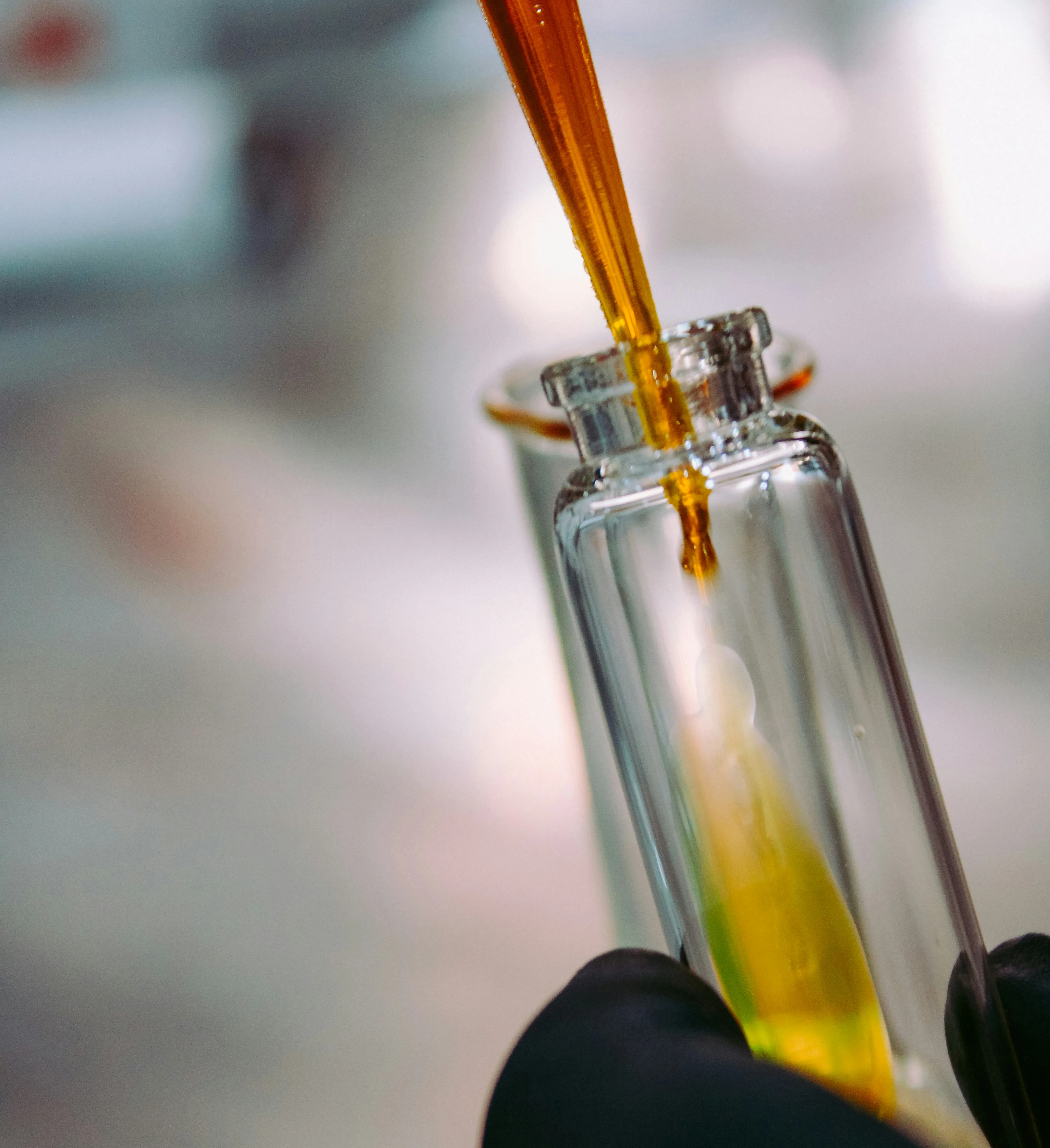
Introductory Overview
Understanding the difference between essential oils, fragrance oils, natural fragrances, and synthetic aroma materials helps brands make better sourcing decisions. Each material type offers different advantages in scent profile, consistency, availability, performance, and cost.
This guide gives a simple overview of the main fragrance material categories and how they may support different product applications.
Natural Fragrances
Natural fragrances are made from aromatic materials obtained from natural sources such as flowers, fruits, herbs, spices, woods, resins, and other botanicals. These materials are commonly extracted through processes such as distillation, expression, or solvent extraction.
Natural fragrance materials are often valued for their botanical origin, depth, and character. They are commonly used in personal care, wellness, spa, aromatherapy, room fragrance, and selected premium product applications.

Essential Oils
Essential oils are concentrated aromatic oils derived from plant sources. Common examples include lavender oil, peppermint oil, eucalyptus oil, lemongrass oil, tea tree oil, and citrus oils.
These materials are often used for their natural scent character and association with wellness, freshness, relaxation, or cleanliness. Depending on the product application, essential oils may be used in personal care, massage products, spa products, room fragrance, candles, and selected household products.
Fragrance Oils
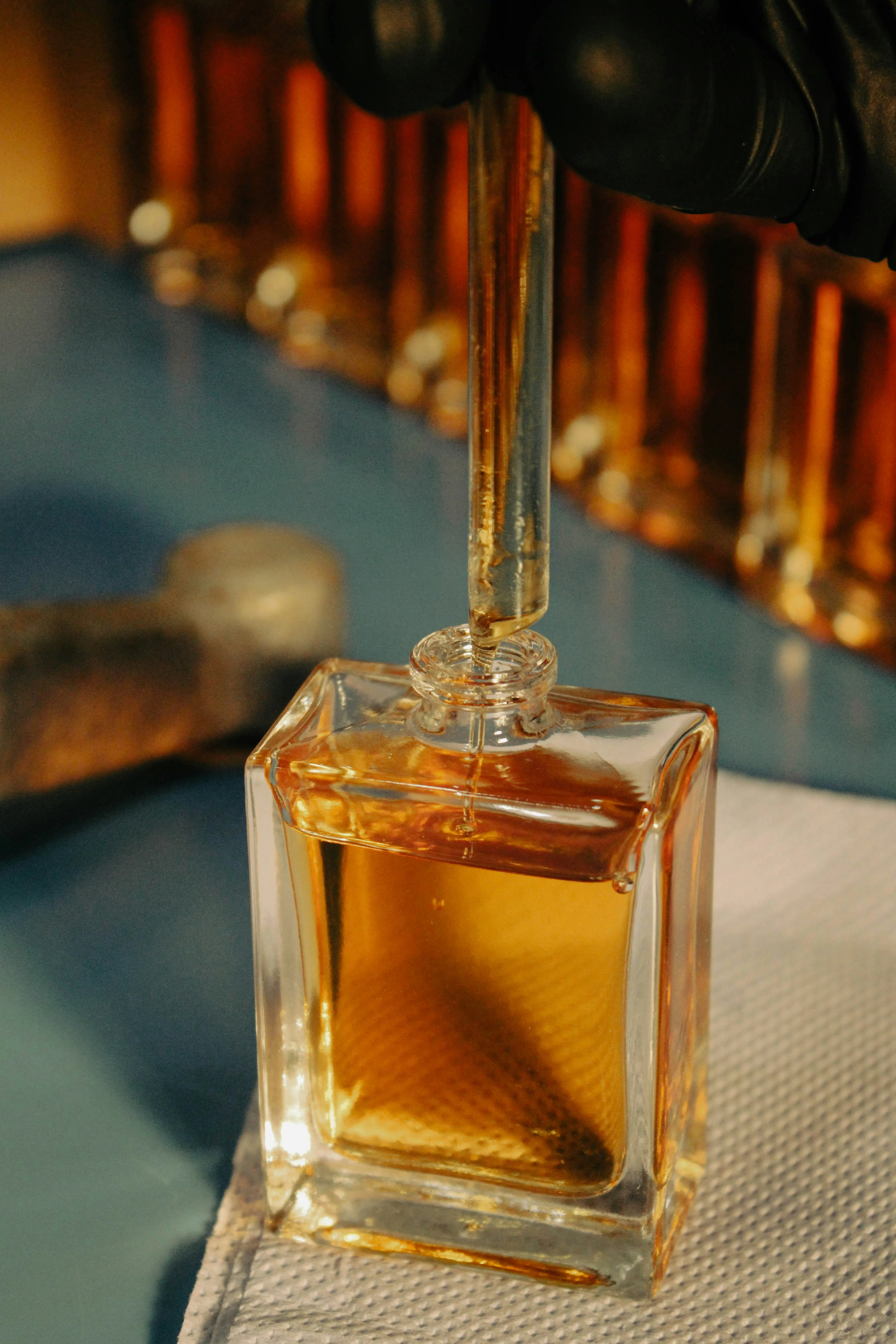
Fragrance oils are scent materials created to deliver a specific fragrance profile for product applications. They may be composed of natural materials, synthetic aroma materials, or a combination of both.
Compared with essential oils, fragrance oils can offer wider scent variety, better consistency, improved performance, and greater flexibility for commercial products. They can be designed to suit different scent directions such as floral, fruity, woody, fresh, gourmand, herbal, citrus, powdery, clean, or luxury-inspired profiles.
Fragrance oils are commonly used in perfumes, personal care products, soaps, lotions, shampoos, home care products, air fresheners, room sprays, candles, and automotive fragrance products.

Synthetic Aroma Materials
Synthetic aroma materials are ingredients produced through chemical or controlled manufacturing processes. Some are designed to replicate scents found in nature, while others create scent effects that may not be easily obtained from natural sources.
These materials can support better consistency, stability, intensity, shelf life, and supply reliability. They also allow access to a wider range of scent profiles and may help reduce dependency on limited or sensitive natural resources.
In many commercial products, synthetic aroma materials are used together with natural materials to achieve a balanced, stable, and market-ready scent profile.
Natural vs Synthetic: Which Is Better?
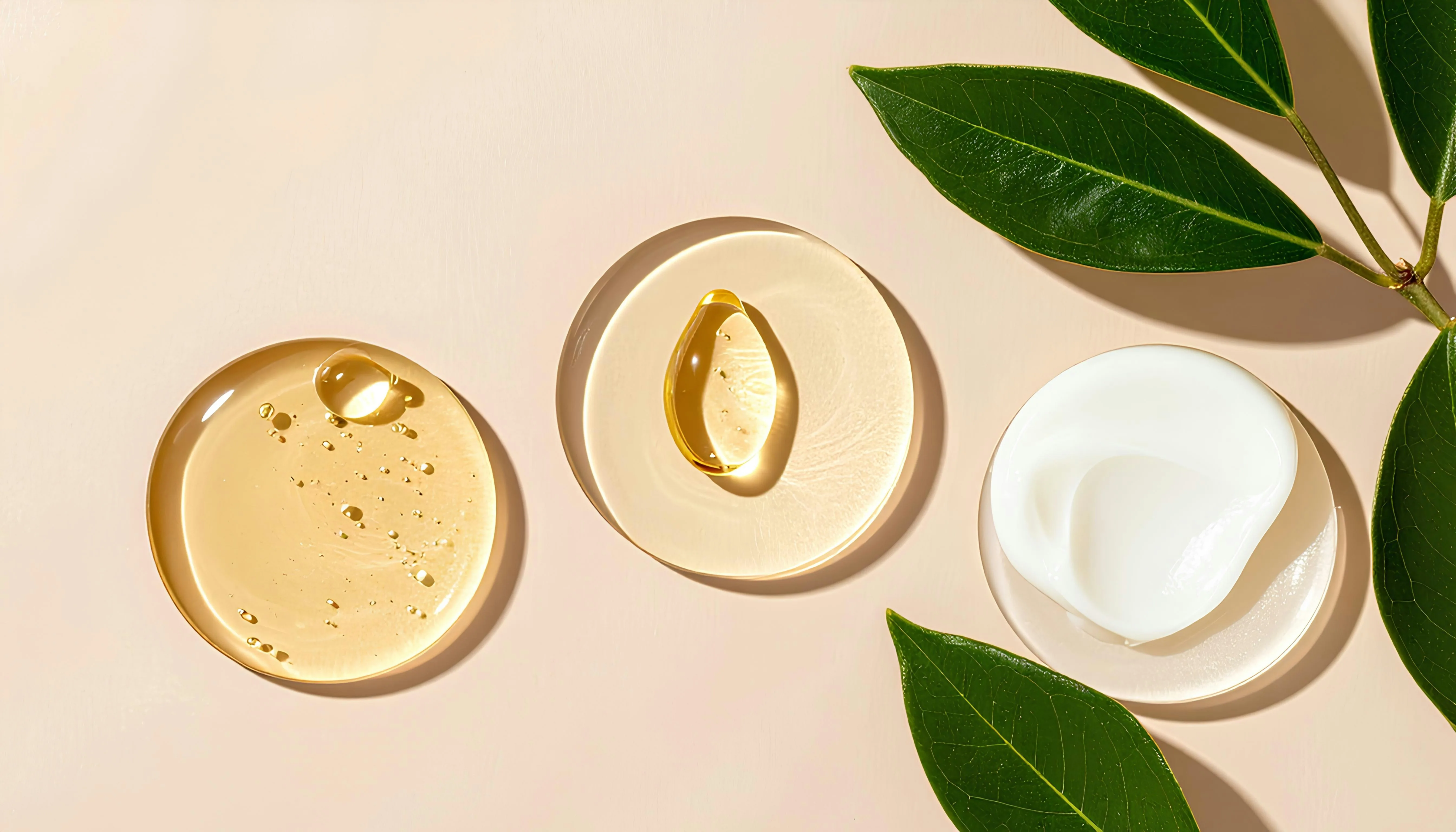
There is no single best choice between natural and synthetic fragrance materials. The right option depends on the product type, target market, desired scent profile, performance needs, budget, and brand direction.
Botanical Positioning
Natural materials may be preferred for brands focused on botanical, wellness, or nature-inspired positioning, lending genuine earthiness and organic appeal to holistic marketing concepts.
Scent Predictability
Synthetic and blended materials are preferred when consistency, strength, high temperature stability, long shelf-life, cost control, and wider unique scent directions are paramount.
The Hybrid Form
For many market-ready commercial products, the most practical solution is a balanced approach that utilizes the unique organic elements of natural extractions alongside the stability of synthetic materials.
Choosing the Right Material for Your Product
When selecting fragrance materials, businesses should carefully evaluate multiple structural parameters to guarantee compliance, beauty, and product stability:
At Proessences, we actively help clients review, explore, and compare appropriate fragrance oils, essential oils, aroma chemicals, and related raw materials based on these exact specifications.
Looking for suitable fragrance materials for your product?
Proessences can help you explore available fragrance oils, essential oils, aroma chemicals, and related raw materials for your business needs. Connect with our technical team today to select your consultation samples.